I am from Dhaka, Bangladesh and I have been blogging at The 3rd world view since 2003. I have been bridge-blogging the Bangladeshi and South Asian Blogosphere in Global Voices since 2005. As the translator coordinator for the Global Voices Bangla Lingua, I love translating selected Global Voices posts into my mother tongue Bangla. Follow me at @rezwan.
Latest posts by Rezwan

One man is trying to save a language in Bangladesh with only six native speakers
Currently, only six people, all aged over 60, can speak the ethnic Renmingtca language well. If they die, the language and culture will be lost from Bangladesh.

Pakistan’s political landscape: What to expect from the 2024 elections
On February 8, 2024, over 128 million Pakistani voters are scheduled to vote in a crucial election that has been marred by political repression and judicial harassment against the main opposition.

Three Maldivian deputy ministers disciplined over social media comments about India's PM

The relationship between India and the Maldives further deteriorated after some Ministers criticized Indian PM Narendra Modi online. Amidst call to #BoycottMaldives, three Maldivian Deputy Ministers were suspended.

Bangladesh is heading for a one-sided general election
The ruling Awami League (AL) is expected to win this election for the fourth consecutive term as major opposition parties refuse to participate, claiming there is lack of electoral oversight.

Looking forward to 2024: A year of crucial elections in South Asia
In 2023, pre-election implications were evident in certain South Asian nations as repressive laws stifled free expression and targeted critics. Opposition leaders faced arrests and judicial harassment, reflecting a concerning trend.

Maldives’ new president formally requests India withdraw troops from its borders
On the first day of his office, pro-China President Mohamed Muizzu formally requested the Indian Government to withdraw its troops stationed in the Maldives, making headlines in both countries.

Nepal's TikTok ban is the first step towards more government control on social media
On November 13, 2023, the Nepali government imposed a blanket ban on Chinese social media platform TikTok, alleging that the platform was fostering social discord among Nepalis.

Cracking the dilemma: Heavy metal concerns in Bangladesh's egg supply
Eggs are the cheapest protein source in Bangladesh. A recent study has identified elevated levels of heavy metals in eggs from farms located in Dhaka city, posing a health risk.

Project Khale Hobe: How the power of one aided by social media can better lives
A group of young volunteers led by a cartoonist, came forward to clean a polluted canal coursing through a populated area of Dhaka, earning praise from the entire nation.

The government of Bangladesh quietly passed the new Cyber Security Act 2023
The Bangladesh parliament passed the new Cyber Security Act 2023 after scrapping its predecessor, the controversial Digital Security Act, 2018. The new law poses similar threats to the freedom of expression.
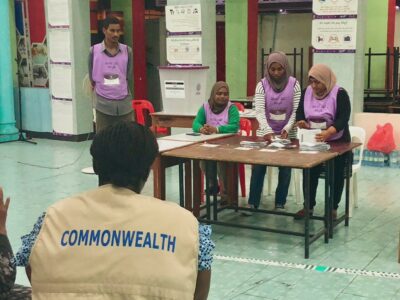
India or China: the upcoming Maldives Presidential elections will determine future foreign policy
The pro-India incumbent president Ibrahim Mohamed Solih is likely to face intense competition as seven other candidates have challenged him in the upcoming presidential elections in Maldives.

Ahead of election, Pakistan introduces new laws to stifle dissent
On August 9, 2023, the Pakistan National Assembly was dissolved to pave way for the upcoming election and dozens of bills were hurriedly passed that limit civil liberties and stifle dissent.

Dengue is becoming endemic in Bangladesh
A number of factors converged, resulting in a complex situation where Bangladesh is struggling to cope with the growing cases of dengue infections which have reached endemic levels.

Ethnic clashes bring Indian state Manipur to the brink of civil war
More than 180 people have died, and 400 others have been injured in the conflict between the majority Meitei community and the minority Kuki tribe in the Indian state of Manipur.
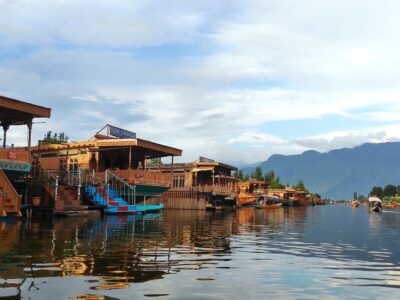
Permission to restore century-old houseboats in Kashmir's Dal Lake is a welcome move for tourism
The recent government decision to withdraw a five decade old ban on repairs, comprehensive facelifts and restorations of interiors of all the century-old houseboats in Kashmir was welcomed by all.
Sri Lanka's LGBTQ+ community holds Pride events demanding an end to discrimination
Civil society and LGBTQ+ activists in Sri Lanka arranged a series of vibrant and empowering Pride events advocating for equality and demanding an end to discrimination.

Comedian and YouTube content creator arrested in Sri Lanka over satire on Buddhism
The recent arrests of stand-up comedian Nathasha Edirisooriya and social media activist Bruno Divakara have sparked new public debate about the issue of free expressions and the boundaries of comedy.

‘Post at your own risk': An interview with Indian journalist Srishti Jaswal
Global Voices conducted a telephonic interview with Srishti Jaswal, an award-winning journalist from India who became the target of online harassment from right-wing trolls, receiving thousands of threats.
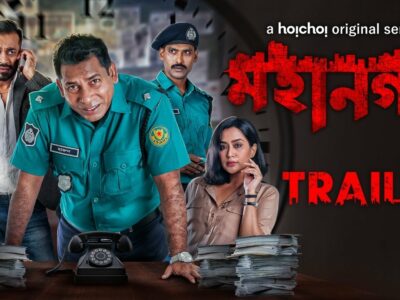
The rise of Bangladeshi online streaming content and the tales of ‘Mohanagar’
Bangladeshi web series "Mohanagar 2", a crime thriller that offers nuanced socio-political commentary, has been creating a buzz in Bangladesh since its release in April 2023 on the OTT platform HoiChoi.

Sri Lanka's proposed anti-terrorism law aims to curb civil protests
There is growing dissent within Sri Lanka against the proposed Anti-Terrorism Act (ATA), which is intended to replace the existing Prevention of Terrorism Act (PTA) and the accompanying bill.

Photos stolen, compensation denied: The plight of Rohingya Photographers
The works of Rohingya photographers were used by international non-profits and media houses without consent or paying for them. Global Voices interviewed journalist and filmmaker Shafiur Rahman to learn more.